


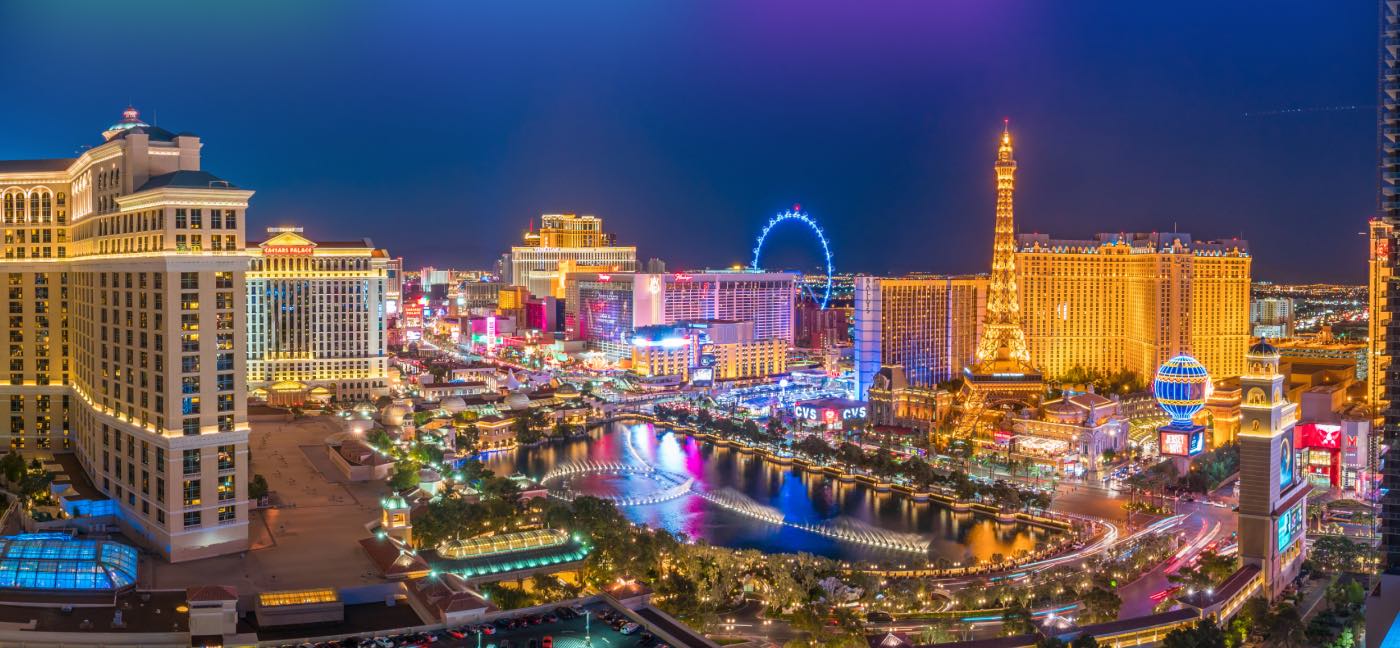
Las Vegas Weather Forecast
Current conditions, 7-day outlook, and monthly averages for Sin City.
Current Overview
7-Day Vegas Forecast
Plan your week with confidence.
Las Vegas Weather By Month
Average temperatures, rainfall, and sunshine for each month.
| Month | Avg High | Avg Low | Rain (in) | Sun (hrs) |
|---|---|---|---|---|
|
Jan
|
58°F | 39°F | 0.5" | 8 |
|
Feb
|
62°F | 43°F | 0.8" | 9 |
|
Mar
|
70°F | 49°F | 0.4" | 10 |
|
Apr
|
78°F | 56°F | 0.2" | 12 |
|
May
|
89°F | 66°F | 0.1" | 13 |
|
Jun
|
100°F | 75°F | 0.1" | 14 |
|
Jul
|
104°F | 81°F | 0.4" | 13 |
|
Aug
|
102°F | 79°F | 0.3" | 12 |
|
Sep
|
94°F | 71°F | 0.3" | 11 |
|
Oct
|
81°F | 58°F | 0.3" | 10 |
|
Nov
|
67°F | 46°F | 0.3" | 8 |
|
Dec
|
57°F | 39°F | 0.4" | 8 |
Las Vegas Annual Weather Insights
Hover over any month to see detailed weather information and plan your perfect Vegas visit.
April in Las Vegas
Perfect pool weather begins with very comfortable temperatures.
Weather Summary:
Weekly Breakdown
Best Activities
- Perfect for any outdoor activities
- Pool days begin
- Walking the Strip
- Golf
Planning Tip
April is one of the best months to visit Las Vegas with warm days and cool evenings. Hotel prices are moderate, and crowds are manageable outside of spring break weeks.
Data represents historical averages and may vary from year to year
Last updated: October 2026
Las Vegas Weather by Season
A seasonal breakdown to help you decide the best time to visit.
Spring (Mar-May)
Perfect weather with warm days (70-90°F) and mild evenings. Pool season begins in April.
Summer (Jun-Aug)
Very hot with temperatures regularly exceeding 100°F. Pool time is essential, and evenings remain warm.
Fall (Sep-Nov)
Gradual cooling with pleasant temperatures. September remains hot while November brings cooler evenings.
Winter (Dec-Feb)
Mild days and cool nights. Perfect for exploring outdoors without the heat, but too cold for most pools.
What to Do in Any Vegas Weather
The best activities for hot, mild, and cool days.
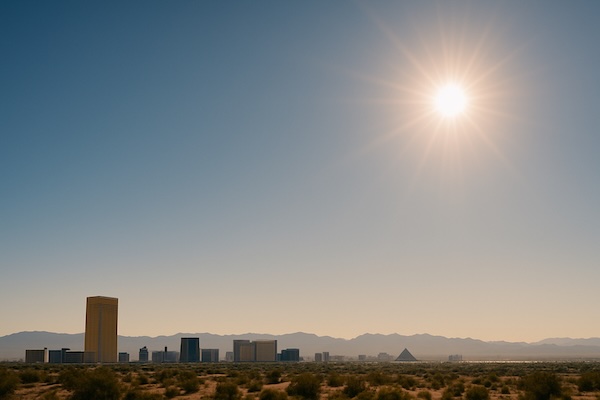
Hot Weather Days
When temperatures soar above 95°F, stay cool with these activities.
- World-class resort pool complexes
- Indoor shopping at luxury malls
- Museum visits (Mob Museum, Neon Museum)
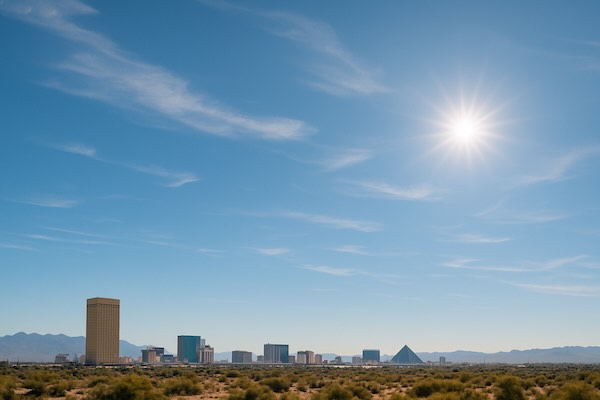
Perfect Weather Days
When temperatures are between 65-85°F, explore outdoor Vegas.
- Walking the Strip end-to-end
- Day trips to Red Rock Canyon
- Outdoor dining and patios
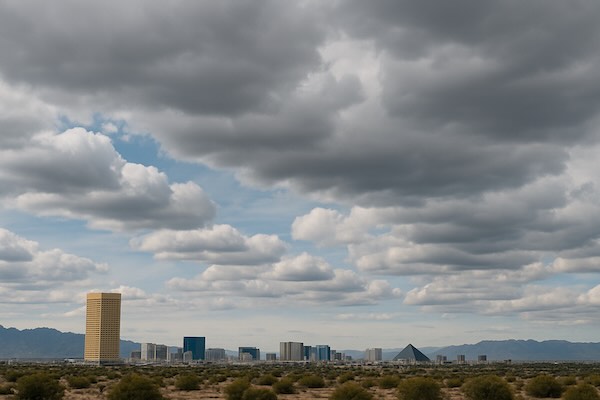
Cool Weather Days
When temperatures drop below 65°F, enjoy these cozy alternatives.
- World-class shows and performances
- Indoor amusement attractions
- Spa days and culinary explorations
Extreme Weather & Safety Tips
What you need to know to stay safe in Las Vegas.
Extreme Heat
Summer temperatures can exceed 110°F. Be prepared and stay hydrated.
Safety Tips:
- Drink water continuously, even if you don't feel thirsty.
- Avoid strenuous outdoor activity during peak heat (10am-4pm).
Flash Floods
Summer thunderstorms can cause sudden and dangerous flash floods in streets and washes.
Safety Tips:
- Never drive or walk into flooded areas. "Turn Around, Don't Drown."
- Pay attention to weather alerts on your phone and local news.
Frequently Asked Questions About Las Vegas Weather
Your top questions about Vegas weather answered.
For the most pleasant weather, visit Las Vegas in the spring (March to May) or fall (September to November). During these months, you'll enjoy warm, sunny days perfect for exploring the Strip and nearby natural attractions without the intense heat of the summer.
Summer in Las Vegas is extremely hot. Temperatures frequently exceed 100°F (38°C) from June to August, and can even reach 115°F (46°C) or higher. The good news is that the humidity is very low, but it's a dry heat that requires constant hydration.
Yes, it does. While known for its heat, Las Vegas is in the desert, which means temperatures can drop significantly, especially at night. Winter days (December to February) are mild, with highs around 55-65°F (13-18°C), but nighttime lows can dip to freezing or below.
Most resort pools open in March and close in October, but this can vary. The prime pool season is from May to September when the water is warm and the sun is shining. Some hotels have year-round heated pools, so it's best to check with your resort if visiting in the cooler months.
Rain is rare in Las Vegas, which averages only about 4 inches of precipitation per year. The most likely time to see rain is during the summer "monsoon" season (July-September) when brief, heavy thunderstorms can occur, sometimes causing localized flash floods.
Packing depends on the season. For summer, bring light, breathable clothing, swimwear, a hat, and strong sunscreen. For winter, pack layers: sweaters, long pants, and a medium jacket. For spring and fall, a mix of shorts, pants, and a light jacket is perfect. No matter the season, always bring comfortable walking shoes and a light sweater or jacket, as casinos and restaurants are heavily air-conditioned.
Las Vegas has extremely low humidity year-round, typically between 10-30%. This creates a dry climate where the heat feels more intense than in humid areas with similar temperatures. The low humidity also means you'll need to stay hydrated, especially during outdoor activities.
Snow is extremely rare in Las Vegas itself, with measurable snowfall occurring only about once every 10-15 years. However, the nearby mountains do get snow in winter. If you're visiting during winter and want to see snow, consider a day trip to nearby ski resorts like Lee Canyon.
Weather significantly impacts outdoor activities. Summer heat makes hiking and outdoor exploration challenging, so focus on early mornings or evenings. Spring and fall are ideal for outdoor adventures like Red Rock Canyon hiking or golfing. Winter is perfect for indoor activities, though some outdoor attractions remain enjoyable during mild winter days.
The UV index in Las Vegas is extremely high year-round, often reaching 8-11+ (very high to extreme) during summer months. Even in winter, it can be 4-6. Always wear strong SPF 30+ sunscreen, UV-blocking sunglasses, and protective clothing.
Weather-related cancellations are rare in Las Vegas due to the dry climate. Shows and entertainment rarely cancel due to weather. However, outdoor events, helicopter tours, or activities at Red Rock Canyon might be affected by extreme heat, high winds, or rare rainstorms.
Temperature swings are dramatic in the desert. Daytime highs can drop 30-40°F (17-22°C) by night. For example, a 100°F day can cool to 70°F by evening. This is why layering is essential.
Spring (March-May) and fall (September-November) offer the best golfing weather with mild temperatures (70-85°F/21-29°C), low humidity, and plenty of sunshine.
Las Vegas has excellent flying weather most of the year. Summer thunderstorms can occasionally cause delays, and winter high winds might affect smaller aircraft. However, the airport rarely experiences significant weather-related disruptions.
Nevada has wildfire seasons, typically May-October, and smoke can occasionally affect air quality in Las Vegas. While the city itself is rarely directly threatened, winds can carry smoke from fires in surrounding areas. Check air quality forecasts before your trip.
Plan Your Las Vegas Trip with Weather in Mind
Everything you need to make the most of your Sin City adventure.
Summer Vegas Weather
Extreme heat often exceeding 100°F (38°C). Perfect for indoor entertainment, but plan outdoor activities for early morning or evening.
Spring & Fall Weather
Mild temperatures ideal for outdoor activities, hiking Red Rock Canyon, and comfortable evenings on the Strip.
Winter Las Vegas Weather
Cool but comfortable with daytime highs around 65°F (18°C). Fewer crowds and great deals.
Las Vegas Weather Quick Facts
Sunny days per year
Record high (2013)
Average annual rainfall
Average humidity
Ready to Experience Las Vegas?
Check out our complete guide to shows, resorts, and attractions.
